

Our approach recognizes your child’s autism as an integral part of their identity, not a problem to fix. We prioritize genuine connection over behavioral correction, honoring their unique communication patterns and natural expressions like stimming. Through relationship-centered play therapy, your child can explore emotions safely while developing self-regulation strategies that work for their neurological wiring. We celebrate their authentic way of being, building on their inherent strengths and capacity for empathy to foster meaningful therapeutic growth.
Key Takeaways
- Our therapy prioritizes genuine connection and relationship-building over behavioral compliance, respecting each child’s unique communication style.
- We celebrate autistic traits like stimming and special interests as natural expressions rather than problems to eliminate.
- Children lead their own therapy sessions, fostering autonomy and self-discovery through play-based exploration and expression.
- We support emotional regulation by creating safe spaces where children can process feelings through their preferred methods.
- Our approach builds on natural empathetic capacities, allowing authentic emotional expression without forcing conventional social displays.
Why Play Therapy for Autism Focuses on Connection, Not Correction

When traditional therapeutic approaches focus on eliminating behaviors or teaching compliance, they often miss what children on the autism spectrum need most: genuine connection and acceptance.
Play therapy for autism takes a fundamentally different path. Rather than viewing autism spectrum disorder therapy as corrective, play-based therapy for autism recognizes that neurodivergent children communicate and connect through their own unique patterns. This approach honors how your child naturally engages with the world.
Does therapy help autism? When it’s relationship-centered, absolutely. Play therapy for autism spectrum disorder creates space where your child can explore, express, and regulate without pressure to conform. The therapeutic relationship becomes the foundation for growth.
Different therapy approaches for autism serve different purposes, but play therapy prioritizes your child’s autonomy and inherent worth.. Through child parent relationship therapy principles, this model builds on strengths rather than deficits, fostering authentic connection that respects your child’s neurodivergent way of being.
Respecting Neurodiversity in Play-Based Therapy for Autism
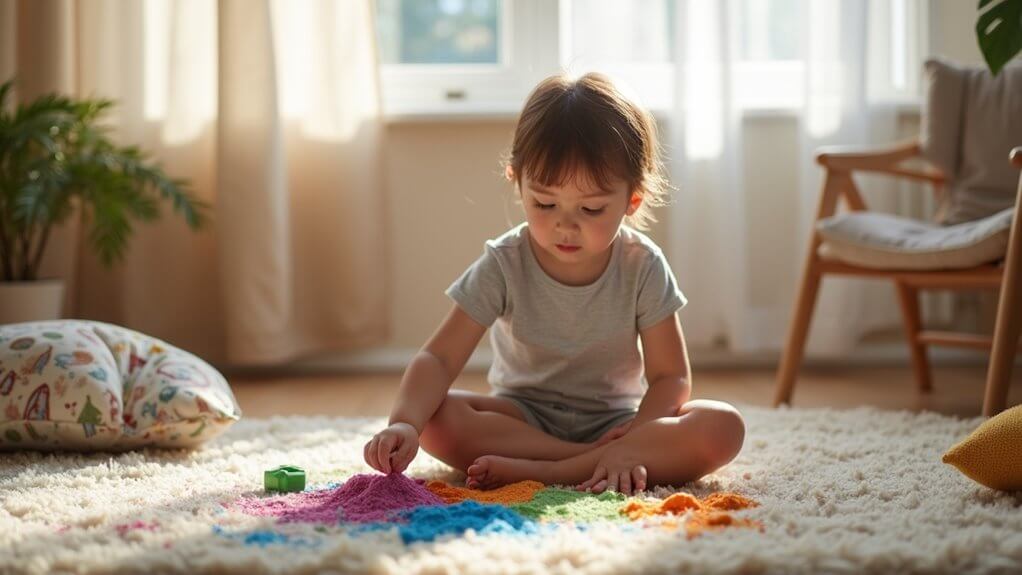
True respect for neurodiversity means recognizing that your child’s autistic traits aren’t problems to solve—they’re integral parts of who they are.
Play-based therapy honors this perspective by creating space for authentic expression rather than demanding conformity.
When we respect neurodiversity in therapeutic settings, we’re acknowledging that different neurological wiring brings unique strengths and perspectives.
Your child’s stimming, intense interests, or communication style aren’t deficits—they’re natural expressions of their neurology.
This approach transforms therapy from compliance-based training to genuine relationship-building:
- Sensory preferences are accommodated rather than discouraged
- Communication differences are honored through multiple modalities
- Self-regulation strategies are co-created with your child’s input
- Special interests become bridges for connection and learning
Research consistently shows that neurodiversity-affirming approaches lead to better self-esteem, reduced anxiety, and stronger therapeutic relationships.
Your child learns they’re valued for who they are, not who they might become.
Play Therapy for Autism Spectrum Disorder and Emotional Regulation
Your child’s emotional regulation challenges aren’t behavioral problems—they’re communication about overwhelm, sensory overload, or unmet needs. Play therapy creates a safe container where your child can process these big feelings through their natural language of play.
In our relationship-centered approach, we don’t impose regulation strategies. Instead, we follow your child’s lead, allowing them to discover what soothes and grounds them. This might look like repetitive movements, organizing toys in specific patterns, or creating elaborate imaginative worlds—all valid forms of self-regulation.
| Traditional Approach | Our Play-Based Approach | Your Child’s Experience |
| “Stop that behavior” | “I see you’re overwhelmed” | Feels understood |
| External regulation imposed | Self-regulation discovered | Builds confidence |
| Compliance expected | Authentic expression welcomed | Develops trust |
| Sensory needs ignored | Sensory preferences honored | Feels accepted |
| Quick fixes sought | Process respected | Lasting skills emerge |
Through accepting presence, your child learns they’re worthy of connection exactly as they are.
Effective Therapy Approaches for Autism Beyond Control and Punishment
Many autism therapies still rely on outdated models that view your child’s neurological differences as deficits to correct through compliance-based interventions.
These approaches often prioritize external conformity over internal well-being, potentially creating stress and disconnection rather than genuine growth.
Effective autism-supportive therapy moves beyond control and punishment by embracing your child’s authentic way of being.
Research consistently shows that relationship-centered approaches yield more sustainable outcomes than behavioral modification alone.
Our therapeutic framework emphasizes:
- Honoring sensory needs rather than forcing sensory tolerance
- Supporting natural communication styles including non-verbal expression
- Respecting stimming behaviors as self-regulation tools
- Building on special interests as pathways to connection and learning
This approach recognizes that your child doesn’t need fixing—they need understanding.
When therapy focuses on acceptance and attunement, children develop stronger self-advocacy skills, emotional regulation, and authentic relationships.
You’ll witness your child’s confidence flourish when their neurological differences are celebrated rather than suppressed.
How Play Therapy Builds Empathy in Children with Autism

While empathy in autism has been misunderstood for decades, play therapy reveals your child’s natural capacity for connection and emotional understanding.
Traditional views wrongly assumed children with autism lack empathy, when research shows they experience deep emotional responses differently.
In play therapy’s accepting environment, your child demonstrates empathy through their unique lens. They might comfort a distressed toy, create elaborate care scenarios, or show concern for the therapist’s wellbeing in unexpected ways.
This non-directive space allows authentic emotional expression without pressure to perform neurotypical empathy markers.
Your child’s empathetic responses often appear through special interests, repetitive play, or sensory exploration. A child who lines up toy animals might be creating safety and order—a form of care.
Another who shares their favorite sensory toy demonstrates profound generosity.
Play therapy honors these authentic expressions, building on your child’s natural empathetic capacity rather than forcing conventional displays of concern.
How Child-Parent Relationship Therapy Supports Families
When families navigate autism together, Child-Parent Relationship Therapy (CPRT) creates a bridge between understanding and connection that honors your child’s neurodivergent way of being. This approach teaches you to follow your child’s lead while building attunement skills that strengthen your relationship naturally.
CPRT empowers families through:
- Observation skills that help you recognize your child’s unique communication patterns and sensory needs
- Reflective listening techniques that validate your child’s experiences without judgment or correction
- Collaborative problem-solving that respects your child’s autonomy while addressing family challenges
- Stress reduction strategies that support both you and your child during overwhelming moments
You’ll learn to see stimming, special interests, and communication differences as strengths rather than deficits. This shift transforms family dynamics, reducing conflict while increasing joy and connection.
Your child feels truly seen and accepted, while you develop confidence in supporting their authentic self-expression.
Frequently Asked Questions (FAQs)
Does therapy help autism?
Yes, when therapy is relationship-centered and neurodiversity-affirming, it can be highly beneficial for children on the autism spectrum. The goal isn’t to “fix” autism but to support emotional regulation, self-expression, and social connection in ways that honor your child’s natural communication style. Play-based and relational therapies help children feel understood, reduce stress, and strengthen self-awareness—key foundations for long-term growth and confidence.
What are the benefits of play-based therapy for autism?
Play-based therapy provides a safe, pressure-free space where autistic children can explore their emotions, sensory needs, and interests without judgment. It supports:
- Emotional regulation through natural forms of play and movement
- Confidence and autonomy by allowing the child to lead
- Improved communication and connection with caregivers
- Reduced anxiety by honoring sensory and emotional boundaries
- Strengthened empathy through authentic, child-directed expression
By focusing on connection rather than correction, play therapy helps children build skills from the inside out.
How long does it take to see results with play therapy for autism?
Progress varies depending on each child’s comfort level, developmental stage, and therapeutic goals. Some children begin showing greater emotional regulation and engagement within a few weeks, while others may need several months to feel fully secure in the process. Play therapy focuses on steady, meaningful growth rather than quick behavioral change—creating lasting improvements in self-awareness, confidence, and connection over time.
Final Thoughts
You’ve learned how play-based therapy honors your child’s neurodivergent identity while fostering genuine growth. This approach doesn’t demand conformity—it celebrates your child’s unique strengths and builds connection through acceptance. When you choose therapy that respects your child’s autonomy and sensory needs, you’re investing in their emotional regulation, empathy development, and family relationships. You can trust that authentic connection, not correction, creates the foundation for your child’s natural flourishing and meaningful progress.
If you’re ready to take the next step in supporting your child’s growth and emotional well-being, Revive Relational Therapy is here to help. Our neurodiversity-affirming therapists specialize in connection-based approaches that empower both children and parents to thrive together.
For families seeking compassionate, developmentally attuned support, child centered play therapy and child parent relationship therapy provide powerful frameworks for connection and growth.
Book a session today, or contact us to learn how we can support your family’s journey toward understanding, acceptance, and meaningful connection.