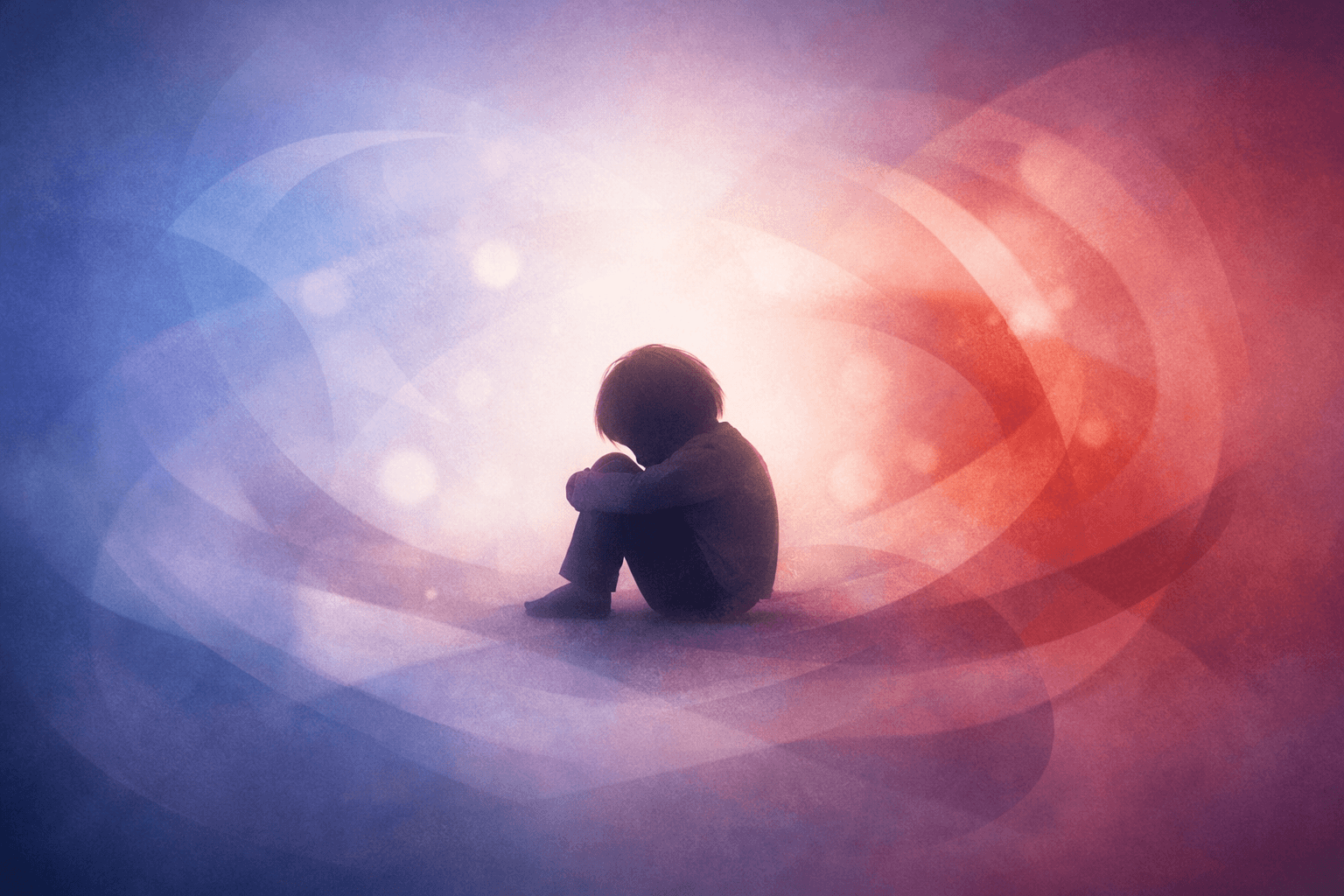
Kids don’t come with manuals—and that can feel especially true when emotions run high and behavior feels overwhelming. Tantrums that seem to come out of nowhere. Sudden withdrawal or shutdown. Explosive reactions to small frustrations. Moments where you’re left wondering, What is really going on here?
At Revive Child and Family Therapy, we understand that behavior rarely exists in a vacuum. Most of the time, what looks like “acting out” is actually a child’s nervous system communicating something important—something they don’t yet have the words, awareness, or regulation skills to express directly.
When big emotions show up as big behavior, it’s not a sign that a child is manipulative, broken, or out of control. It’s a signal that something inside them needs support, safety, and understanding.
Why Behavior Often Speaks Louder Than Words
Young children don’t yet have the developmental capacity to say, “I feel anxious about school,” or “I’m overwhelmed by all the changes happening right now.” Instead, emotions show up through the body and through behavior.
A meltdown after school may reflect stress that has been building all day. Clinginess can signal insecurity after a change or separation. Regression—such as bedwetting, baby talk, or needing extra reassurance—may be a child’s way of saying, I don’t feel safe right now. Avoidance or withdrawal can be a nervous system response to overwhelm rather than defiance.
This is why many child therapists emphasize the idea that behavior is communication. Viewing behavior through this lens—rather than as something to fix or stop—can be a powerful shift for families. You can explore this perspective further in the blog on understanding children’s behavior.
Thinking About Emotions Like a Thermometer
One helpful way to understand big behavior is to imagine your child has an emotional thermometer.
When life feels predictable, connected, and manageable, their emotional “temperature” stays relatively steady. But when stressors stack—school demands, peer struggles, family changes, disrupted routines—that temperature starts to rise.
Once it gets high enough, even a small frustration can trigger a big reaction. What looks like an overreaction is often the result of a nervous system that has already been working hard to cope.
Children don’t choose these reactions. Their nervous systems are still developing, and regulation is learned through relationship, not willpower.
Where Big Emotions Often Come From
Big emotions rarely have a single cause. They’re often shaped by a combination of internal and external factors, including:
- Developmental growth as children learn emotional regulation
- Transitions, even positive ones like a new school or sibling
- Social stress with peers or academic pressure
- Family stress children sense but can’t fully understand
- Sensitive or highly attuned nervous systems
During periods of transition, emotional reactions often intensify. If your family is navigating change, the ideas in supporting children through transitions can help contextualize what your child may be experiencing.
Understanding these influences can shift the core question from How do I stop this behavior? to How do I help my child feel safe again?
Why “Stopping the Behavior” Rarely Works Long-Term

When behavior feels intense, it’s natural to want it to stop—especially when you’re tired, overwhelmed, or worried about what others think. Many parents try consequences, lectures, or quick fixes, only to find that the same behaviors keep returning.
That’s because behavior change doesn’t happen in isolation. Without emotional safety, children may comply temporarily, but the underlying feelings remain unresolved.
Connection-based approaches recognize that regulation comes before reasoning. When children feel seen and supported, their nervous systems calm enough for learning and growth to happen.
This philosophy aligns closely with the principles described in positive discipline for children, which emphasizes clear boundaries alongside empathy and connection.
Responding With Connection Rather Than Control
Supporting a child through big emotions doesn’t mean removing limits or giving in. It means addressing the emotional need before addressing the behavior.
Helpful responses often include:
- Naming what you notice without judgment
- Acknowledging the feeling before setting a limit
- Staying calm and physically present
- Repairing and reconnecting after hard moments
For example, “I can see how upset you are. I won’t let you hit, but I’m here with you,” sends a very different message than immediate correction or dismissal.
Over time, these moments teach children that emotions can be expressed safely within relationship—and that they don’t have to face overwhelm alone.
When Big Emotions Feel Hard for Parents Too
Supporting a dysregulated child can be emotionally exhausting. Many parents feel frustrated, helpless, or unsure if they’re “doing it right.” These feelings are understandable—and they matter too.
When caregivers are stressed or triggered, it becomes harder to offer calm presence. This is one reason child therapy often involves parents as partners, not spectators.
In child therapy services, therapists work not only with children but also with caregivers—helping families understand patterns, build co-regulation skills, and feel more confident responding to big emotions at home.
How Child Therapy Supports Emotional Regulation
Child therapy offers a structured, supportive environment where children can explore their emotional world safely. Through play, creativity, and relationship, children learn to recognize feelings, practice regulation, and build emotional resilience.
In many cases, therapy includes elements of play therapy, which allows children to express what they can’t yet articulate verbally. You can learn more about this approach in the blog on play therapy for children.
Therapy also gives caregivers space to slow down, reflect, and shift patterns that may be keeping everyone stuck.
Big Emotions Carry Important Meaning
Big behavior is rarely the end of the story. More often, it’s the beginning of understanding.
When children are met with curiosity, steadiness, and connection, they learn that emotions—even intense ones—can be held and repaired within a relationship. That sense of safety becomes the foundation for emotional growth and resilience.
If your child’s emotions or behavior feel persistent, intense, or difficult to navigate alone, working with a child therapist or pediatric counselor can offer additional support. Therapy doesn’t mean something is “wrong”—it means your child’s inner world deserves care.
You can learn more about child and family services at Revive Child and Family Therapy or take a gentle next step to book a session here when it feels right. You don’t have to figure this out perfectly—or alone.