
Most parents expect occasional rough days—tantrums, tears, or worries that come and go. It becomes more confusing when those hard days start to stack up. Maybe your child is suddenly dreading school, melting down after social situations, or saying things like “I’m dumb” or “No one likes me,” and you’re left wondering if they need more than reassurance.
Child counseling is a way of giving kids steady, skilled support for those moments. It’s counseling shaped around how children actually grow and communicate—using play, stories, and relationships to help them sort through big feelings, stress, and confusing behavior.
This guide explains what child counseling is, when it might be helpful, what happens in sessions, and how it can support you and your child together.
Key Takeaways
- Child counseling is developmentally tailored therapy that helps children work through emotional, behavioral, and social challenges in a safe, structured setting.
- Counselors use tools like play, art, and simple conversation so children can express what they can’t yet put fully into words.
- Counseling can be helpful for school stress, friendship struggles, big emotions, family changes, anxiety, grief, and behavior that feels out of character.
- Parents are typically involved as partners, learning new ways to understand and respond to their child’s feelings.
- Approaches often draw on ideas from child-centered play therapy and child-parent relational therapy, where connection and safety are central.
About Us_ Revive Relational The…
Understanding the Basics of Child Counseling
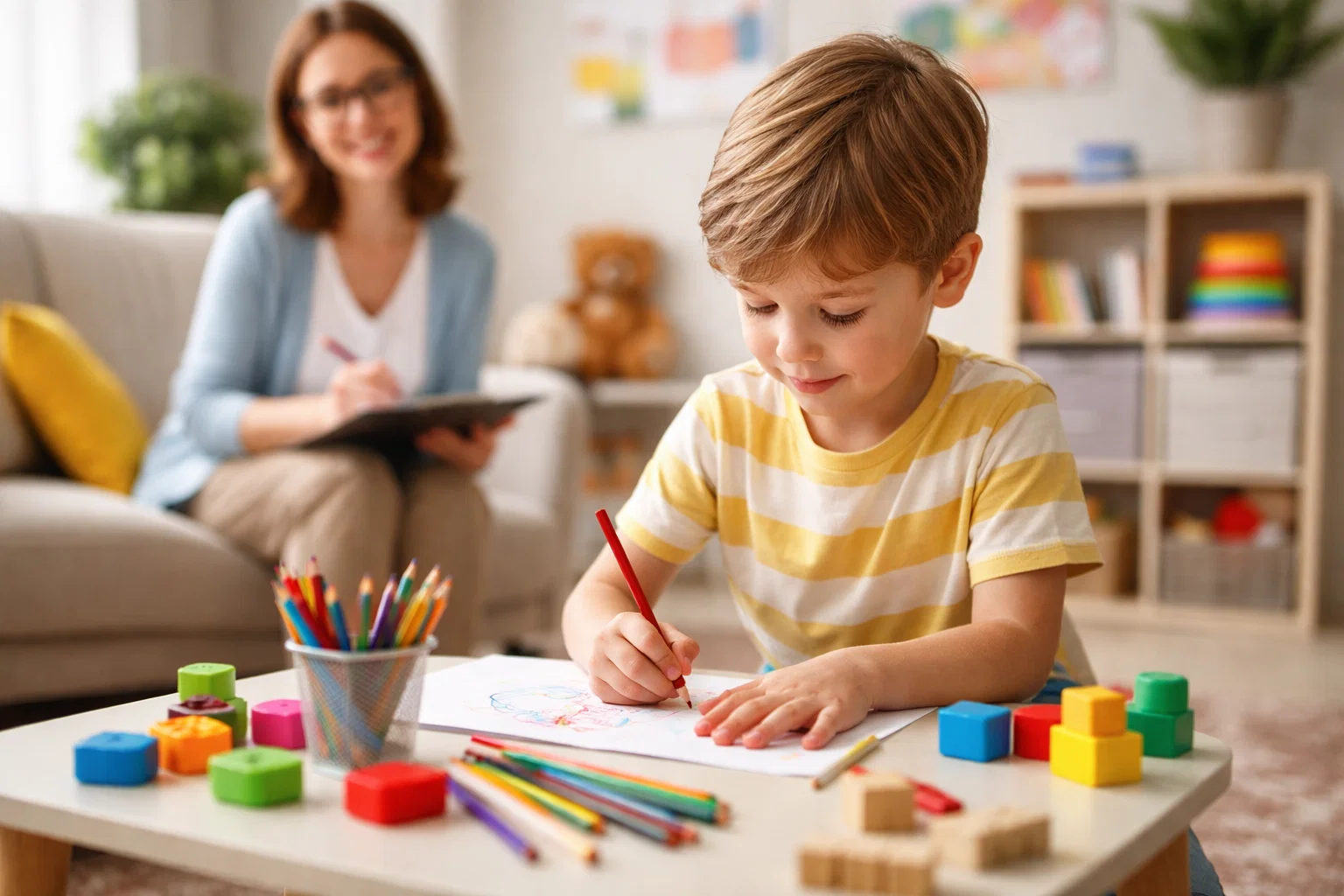
Child counseling is mental health support designed around the way children experience the world. Younger kids don’t usually say, “I’m feeling chronically anxious and overwhelmed.” Instead, stress and confusion show up in body symptoms, school struggles, or sudden changes in behavior.
In child counseling, a therapist:
- Uses play, art, drawing, and stories to help children show what they feel
- Follows the child’s pace, especially around sensitive or painful topics
- Looks at the child within their family and school context, not just in isolation
- Prioritizes emotional safety, predictability, and warmth
It can be helpful to treat behavior as information rather than simply a problem to fix. The idea explored in understanding children’s behavior—that behavior is often communication—fits naturally with how child counseling works.
Approaches influenced by child-centered play therapy give children a chance to lead through play, while the counselor tracks themes and feelings that appear. In child-parent relational work, the focus shifts to the relationship itself, helping caregivers and children find safer, more connected ways of being together.
When Kids May Need Support From Child Counseling

Every child has rough moments. What counselors watch for are patterns—changes that linger for weeks, grow more intense, or begin to interfere with daily life at home, school, or with friends.
Emotional Signs
Some emotional shifts that may point to a need for extra support include:
- Big anger, sadness, or worry that shows up often and doesn’t seem to ease
- Strong reactions to small triggers that feel out of proportion to the situation
- Frequent comments like “I’m bad,” “I can’t do anything right,” or “Everyone hates me”
- Seeming shut down, distant, or unusually quiet for their personality
If your child’s feelings feel “too big” for them to handle alone, ideas from how to help a child with big emotions can complement what they explore in counseling.
Behavioral Signs
Behavior is often where internal struggles become visible. You might notice:
- More tantrums, defiance, or aggression than usual
- Regression, such as clinginess, bedwetting, or acting younger than their age
- Sudden changes in sleep, appetite, or energy without a clear medical reason
- Avoidance of activities they once enjoyed, or difficulty separating from caregivers
Gentle, structured strategies like those described in positive discipline for children can work well alongside child counseling, giving you practical ways to respond at home.
School and Friendship Signs
School and peer relationships are common places for stress to surface. Warning signs can include:
- Chronic school refusal, or frequent physical complaints on school days
- A noticeable drop in grades or focus, especially if school was previously going well
- Ongoing conflict, bullying, or feeling left out with peers
- Intense worry about tests, presentations, or social situations
When school or social stress overlaps with major life changes, the ideas in supporting children through transitions can help soften the impact of those shifts.
How Child Counseling Actually Helps
Child counseling isn’t about labeling a child or “fixing” them. It’s about making space for their inner world to be seen and worked with, a little at a time.
Making Feelings Understandable
Many children don’t know how to say, “I feel rejected,” or “I’m scared of disappointing you,” so those feelings show up indirectly. In counseling, a therapist pays attention to:
- Stories children tell in play and drawings
- The words they use about themselves and others
- The situations that trigger big reactions
By gently reflecting what they see, counselors help children put words to feelings, which is one of the first steps toward regulation and change.
Building Coping Strategies
Alongside emotional expression, child-centered play therapy allows coping to develop naturally through play and relationship. Children may begin to:
- Discover calming and grounding experiences as they explore feelings and regain a sense of safety
- Grow in awareness of their internal states and seek support when they feel overwhelmed
- Experiment with responding to teasing or conflict through themes that emerge in play
- Approach challenges in smaller, more manageable ways as confidence and emotional regulation strengthen
These strategies are often woven into play rather than taught like a lecture, so they feel more natural and relevant.
Supporting Healthy Relationships
Because children grow in relationship, counseling often pays close attention to the bonds around them. Sessions influenced by child-parent relational therapy or family-focused work may explore:
- How caregivers and children interact during stressful moments
- Ways to repair after conflict or disconnection
- Patterns that keep both sides feeling stuck
When a child’s environment becomes more emotionally safe and predictable, the gains from counseling tend to deepen and last longer.
What Happens in a Child Counseling Session?
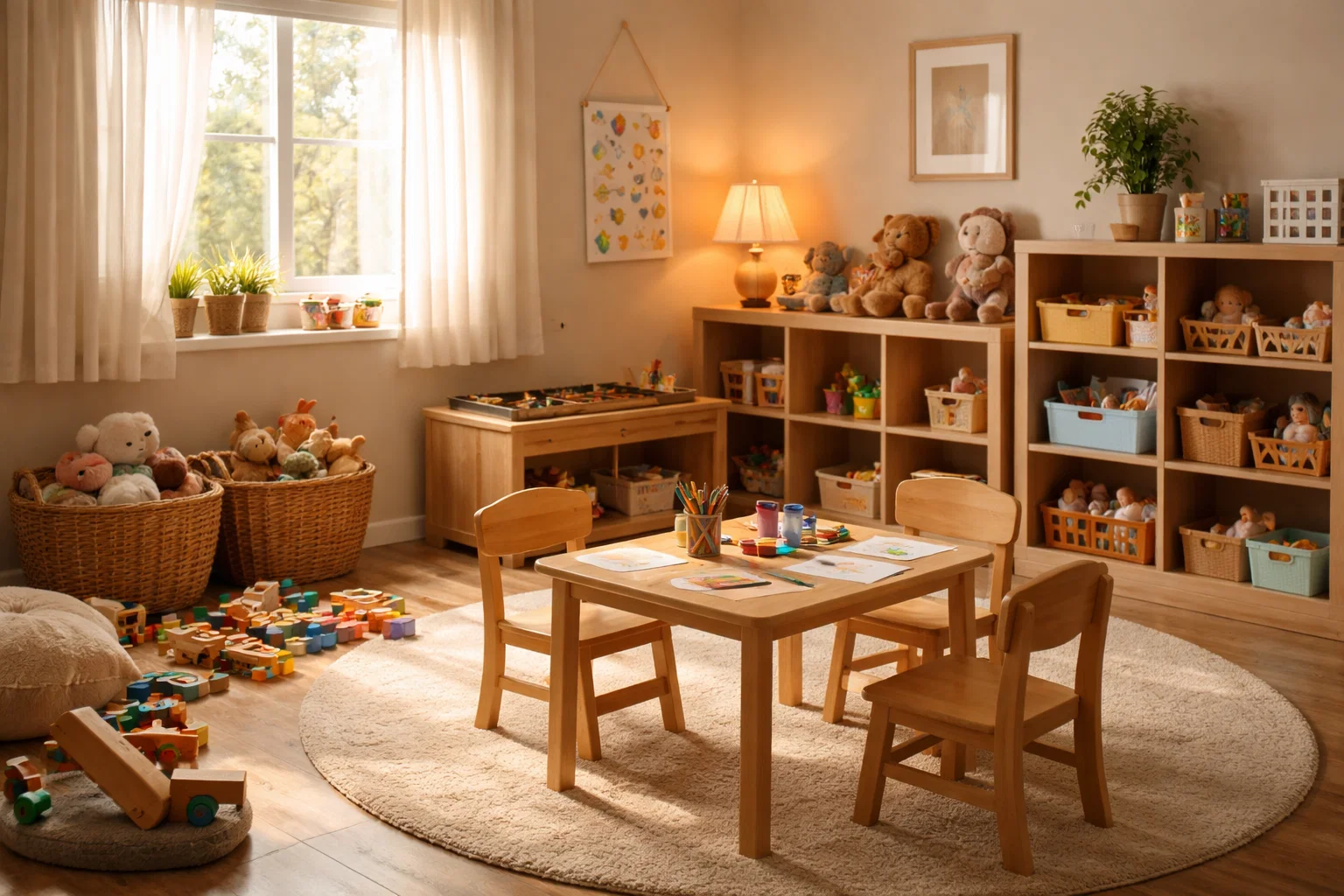
Sessions are structured to provide safety and predictability, while remaining flexible enough to follow the child’s lead, interests, and developmental needs. While every therapist has their own style, a typical child counseling session may include:
- A consistent and predictable opening that offers simple choices, supporting the child’s sense of autonomy and emotional safety
- Play or creative time in which the child is given the freedom and space to choose toys, materials, and the themes they are working through in play
- Therapist reflections that track and give language to emotional themes as they naturally emerge through play
- Opportunities for the child to explore challenges, relationships, and internal experiences symbolically, without direct instruction or problem-solving
- A consistent closing that includes clear limits and predictable language, helping the child experience continuity and containment
This kind of intentional, child-led play reflects what is described in play therapy for children, where toys, art, and stories serve as the child’s natural language for expression and meaning-making.
For children who are neurodivergent or have particular sensory or communication differences, some counselors draw on adaptations similar to those used in play therapy for autism so that sessions feel accessible and supportive.
Your Role as a Parent in Child Counseling
Even when a child meets individually with a counselor, parents and caregivers are a central part of the process. Most child therapists view you as a partner, not a bystander.
Your involvement might include:
- Sharing what you’re noticing at home, at school, and in relationships
- Helping to set and refine goals for counseling
- Learning new responses for moments of overwhelm or conflict
- Practicing co-regulation—staying as steady as you can while your child’s emotions are big
- Engaging in child parent relational therapy to strengthen the attachment between parent and child
The ideas you pick up in counseling often sync well with the parenting tools described in positive discipline for children and how to help a child with big emotions, giving you a more coherent framework for supporting your child day to day.
Many parents find that as they better understand what is beneath their child’s behavior, they feel less helpless and more grounded—even when things are still hard.
Frequently Asked Questions About Child Counseling
Is child counseling only for serious problems?
No. Child counseling can be helpful for a wide range of situations, from relatively contained stress (like adjusting to a move) to more complex, long-standing concerns. You don’t have to wait for a crisis before seeking support.
Will my child have to talk about everything that happens at home or school?
Children are invited, not forced, to share. Some talk easily; others prefer to show what’s going on through play, drawing, or stories. Counselors follow the child’s lead and pace, gradually exploring important themes as safety grows.
How long does child counseling usually last?
The length of counseling varies. Some children come for a short period to work through a specific concern; others benefit from longer-term support, especially when multiple stressors are present. A counselor will usually check in with you periodically about progress and next steps.
Will I be kept informed about what happens in sessions?
You can expect updates about general themes, goals, and ways to support your child at home. At the same time, counselors protect a child’s sense of privacy in the room, so you might hear about patterns and progress rather than every detail of what was said or done.
Conclusion: Making Sense of When to Ask for Help
Wondering whether your child needs extra support is often a sign of care, not failure. When big emotions, school stress, or confusing behavior start to feel like more than you can untangle on your own, child counseling offers a steady place for your child’s inner world to be heard and understood—and for you to feel less alone in supporting them.
If you’d like to explore how a relational, attachment-focused practice works with children and families, you can learn more about the team and approach at Revive Relational Therapy and read about the different ways support is offered on the services page. When the time feels right, taking the step to book a session or reach out with questions can simply be a way of saying you don’t have to figure all of this out on your own.