
Most parents expect ups and downs—bad days at school, grumpy moods, big tears over small things. But sometimes those tough moments start to feel more frequent, more intense, or more confusing. You might notice your child withdrawing, worrying constantly, or reacting in ways that feel out of proportion, and find yourself wondering:
“Is this still normal, or is my child struggling with their mental health?”
Child mental health therapy is one way to give children steady support when their emotional world feels too big to manage alone. It’s not about labeling or “fixing” them; it’s about creating a safe space where feelings, thoughts, and experiences can be understood, and where children can learn healthier ways to cope.
This guide walks through the basics of child mental health therapy, what it can help with, what sessions look like, and how parents are involved.
Key Takeaways
- Child mental health therapy is developmentally-tailored therapy that helps children work through emotional, behavioral, and relational challenges in a safe, structured setting.
- It can support kids dealing with anxiety, sadness, anger, school stress, friendship struggles, family changes, trauma, and other overwhelming experiences.
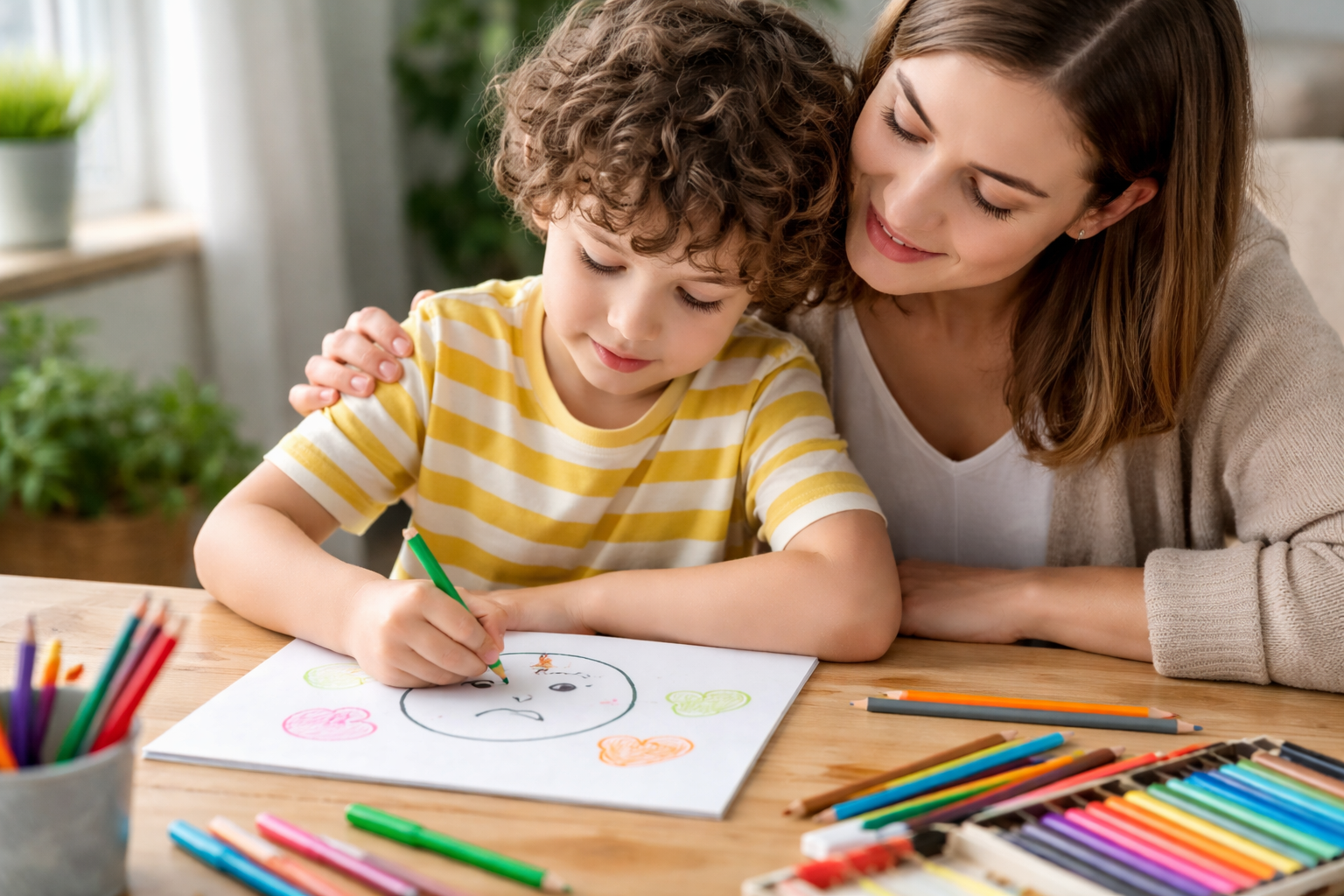
- Therapists often use play, art, and age-appropriate conversation so children can express what they feel—even when they don’t yet have the words.
- Seeing behavior as communication, as described in understanding children’s behavior, fits closely with how child mental health therapy approaches big reactions.
- Parents are key partners, learning new ways to respond to big emotions and support regulation at home.
Understanding the Basics of Child Mental Health Therapy
Child mental health therapy is simply therapy designed for the way children develop and experience the world. Instead of expecting kids to sit on a couch and talk like adults, therapists adjust the process to the child’s age, temperament, and needs.
In child mental health therapy, a therapist might:
- Use play, drawing, stories, and games to help children show what’s happening inside
- Keep explanations simple and concrete, using metaphors or visuals children can understand
- Pay close attention to the child’s world—family, school, friendships, and major life events
- Focus on emotional safety and consistency, so the therapy room feels predictable and trustworthy
This perspective fits well with the idea that behavior often carries a message. The lens offered in understanding children’s behavior—that behavior is communication—helps parents and therapists work together instead of getting stuck in cycles of punishment and shame.
Many child therapists also draw on play-based approaches. For younger children especially, the kind of focused, intentional work described in play therapy for children can be a core part of child mental health therapy, giving kids a natural “language” for their inner world.
When Child Mental Health Therapy May Help
All children have big feelings and hard days. What often suggests that child mental health therapy might be helpful is when certain patterns stick around, escalate, or begin to interfere with daily life.
Emotional Signs
You might notice your child:
- Feeling sad, flat, or hopeless most days
- Becoming easily overwhelmed, tearful, or irritable, even over small things
- Worrying constantly about school, family, or safety
- Expressing harsh self-talk like “I’m stupid,” “I’m bad,” or “Nobody likes me”
If their emotions feel “bigger” than they can handle alone, ideas from how to help a child with big emotions can be a useful companion to therapy.
Behavioral Signs
Emotional struggles often show up in behavior. You may see:
- More tantrums, aggression, defiance, or frequent arguments
- Withdrawal from activities they used to enjoy
- Regression, such as clinginess, bedwetting, or acting younger than their age
- Difficulty following directions or calming down once upset
Gentle, structured approaches like those described in positive discipline for children often pair well with therapy, helping caregivers respond in ways that support both boundaries and connection.
School and Social Signs
Child mental health challenges often affect school and friendships. Signs might include:
- Ongoing school refusal or frequent “mystery” stomachaches or headaches on school days
- A sudden drop in grades or focus
- Increased conflict with peers or frequent feelings of exclusion
- Strong anxiety about tests, presentations, or social situations
When emotional distress overlaps with major changes—moving, family transitions, losses—ideas from supporting children through transitions can help soften the impact at home.
Physical and Body Signs
Sometimes emotional pain is expressed through the body. Children might:
- Complain of headaches, stomachaches, or other pains without clear medical cause
- Have difficulty sleeping or frequent nightmares
- Show big shifts in appetite or energy
These signs don’t automatically mean a child needs therapy, but together they can signal that extra support could help.
How Child Mental Health Therapy Supports Kids
Child mental health therapy isn’t about erasing difficult emotions; it’s about helping children relate to their feelings, thoughts, and experiences in a more manageable, compassionate way.
Naming and Normalizing Feelings
Children often don’t know how to say, “I feel anxious” or “I’m ashamed.” Instead, those feelings show up indirectly. Therapy helps kids:
- Learn names for different emotions
- Understand that feelings come and go
- See that they’re not “bad” for feeling angry, scared, or sad
Emotional vocabulary and self-awareness often grow in parallel with the kind of reflection described in articles like emotional awareness.
Building Coping Skills
In addition to expression, child mental health therapy teaches practical tools. Children might practice how to:
- Use breathing or grounding skills when they feel overwhelmed
- Notice early warning signs—tight chest, wobbly tummy, racing thoughts
- Problem-solve around school stress or peer conflict
- Use self-soothing strategies that fit their personality and sensory needs
For neurodivergent children or those with sensory differences, some therapists weave in adaptations similar to those described in play therapy for autism so coping tools are more accessible.
Making Sense of Experiences
Therapy can help children process experiences that felt confusing, frightening, or shameful—anything from school bullying to family conflict or losses. Through play, stories, and conversation, they can:
- Re-tell what happened in a safer way
- Explore what those experiences led them to believe about themselves or others
- Experiment with new ways of understanding and responding
For families navigating deeper or ongoing stressors, child mental health therapy may sometimes intersect with themes addressed in broader work like trauma therapy or healing childhood trauma in adulthood—especially when a parent is also doing their own healing.
Supporting Relationships
Children’s mental health is deeply connected to their relationships. Therapy often supports:
- A stronger sense of safety with caregivers
- More predictable and respectful boundaries at home
- Repair after conflict or disconnection
Family-focused approaches, including family therapy and child–parent relational work, can be integrated when it’s helpful to focus directly on the patterns between family members.
What Happens in a Child Mental Health Therapy Session?
Sessions are structured enough to feel safe and predictable, but flexible enough to follow the child’s needs. While every therapist has their style, a typical child mental health therapy session may include:
- Child-led play or creative activities, where the child chooses materials and themes they are working through
- Therapist gives feedback that give language to emotions as they emerge through play
- Space for the child to explore worries, relationships, and internal experiences symbolically, without direct instruction
- A consistent closing with clear limits and predictable language, supporting continuity and containment
For younger children, this may look very similar to the work described in play therapy for children—where play is the main “language” of therapy. For older kids, more direct conversation and collaborative problem-solving are usually woven in.
Your Role as a Parent in Child Mental Health Therapy
Even when your child meets individually with a therapist, you are a central part of the process. Child mental health therapy is most effective when caregivers are involved and supported, too.
Your role may include:
- Sharing observations about behavior, mood, sleep, school, and family life
- Collaborating on goals, such as easing morning routines, reducing after-school meltdowns, or improving sibling dynamics
- Learning new ways to respond during moments of distress—moving from “fixing” or punishing to co-regulating and setting clear, kind limits
- Practicing consistency, so your child receives similar messages in and out of session
Some parents also find it helpful to explore their own emotional patterns, especially if they notice feeling triggered or overwhelmed by their child’s reactions. Themes explored in resources like self-compassion therapy or self-awareness therapy often run alongside the work they’re doing as parents of a child in therapy.
The aim isn’t to parent perfectly. It’s to move, step by step, toward a home environment that feels safer, more predictable, and more connected for everyone.
Frequently Asked Questions About Child Mental Health Therapy
Does my child have to have a diagnosis to start therapy?
No. Some children come to therapy with a diagnosed condition; others come because something simply feels “off” and parents are concerned. You don’t need a formal label for therapy to be helpful.
How long does child mental health therapy usually last?
There isn’t a single timeline. Some children work on a specific issue over a shorter period; others benefit from longer-term support, especially when stressors have been ongoing. Therapists usually review progress with caregivers regularly and discuss whether to continue, shift focus, or begin wrapping up.
Will I know everything my child shares?
Therapists often share general themes, progress, and suggestions for home, while also protecting your child’s sense of privacy in the room. You can expect to be included and informed without hearing a detailed replay of every conversation or play sequence.
What if my child doesn’t want to go to therapy?
Reluctance is common, especially at the beginning. Therapists who specialize in child mental health therapy expect this and work gently to build trust, often leaning more on play and low-pressure activities at first. Sometimes, simply having a consistent, calm adult show up each week is a big part of the healing.
Conclusion: A Steady Place for Growing Minds
If you’ve been wondering whether your child’s worries, sadness, or behavior changes might be more than “just a phase,” that wondering is often a sign of care, not failure. Child mental health therapy offers children a steady place to sort through their inner world, and it offers parents a framework for understanding and supporting them with more confidence.
If you’d like to explore how a relational, attachment-focused practice approaches this work, you can learn more at Revive Child and Family Therapy and read about child and family-focused options on the services page. When the time feels right, taking a small step to book a session or reach out with questions can simply be your way of saying your child doesn’t have to navigate their mental and emotional world alone.