
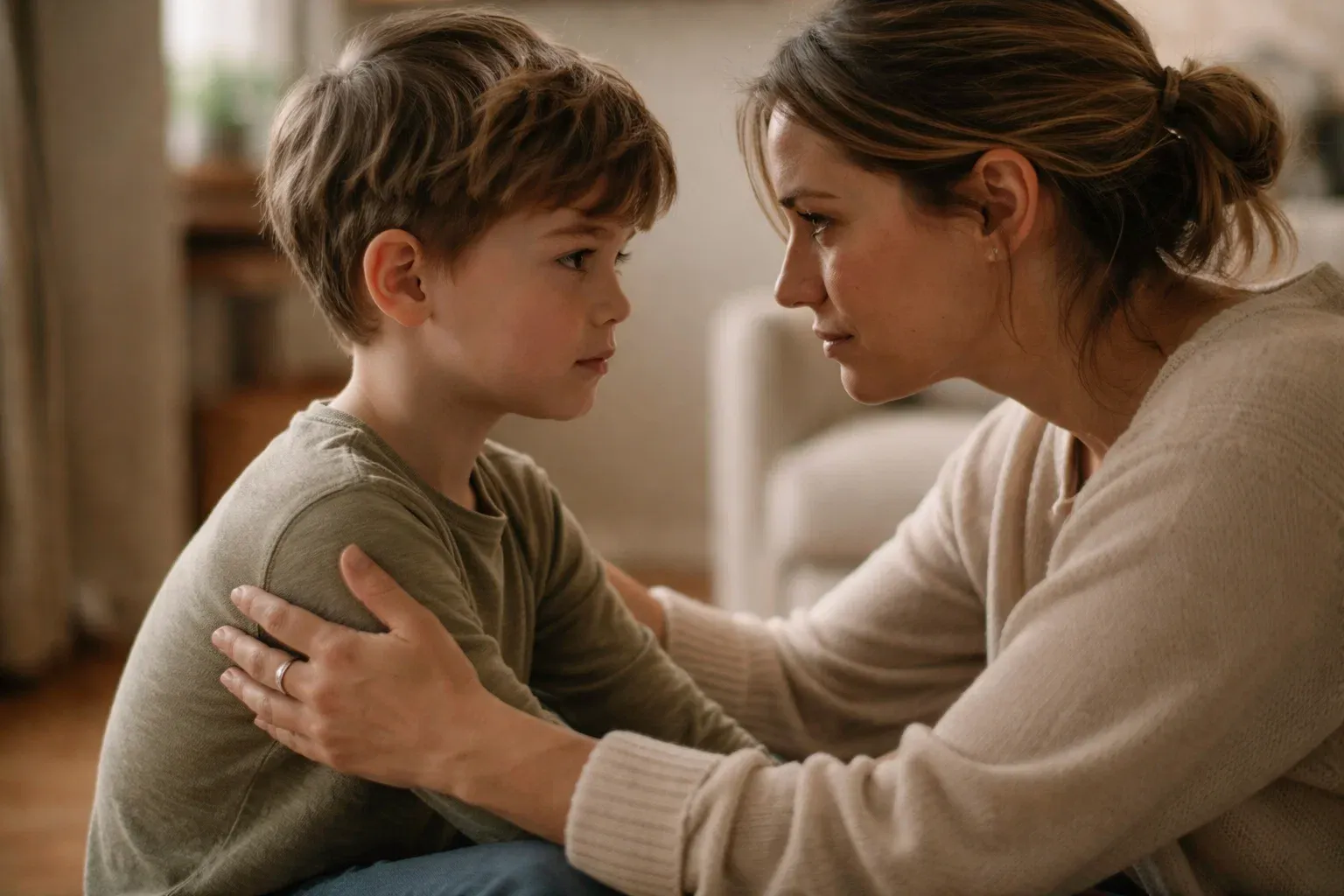
Even in loving homes, conflict can start to feel like the norm. Maybe evenings turn into repeating arguments over homework or screens. Maybe one child is exploding while another shuts down completely. Parents might feel stuck in patterns of yelling, withdrawing, or giving in just to keep the peace.
When this becomes a regular rhythm, it’s easy to wonder: Is this just a rough season, or do we need more support?
Child and family therapy offers a structured, caring space for families to slow things down, look at patterns together, and practice new ways of relating. Instead of focusing on “who’s at fault,” it looks at the cycle everyone is caught in—and helps each person find safer, more connected ways to show up at home.
This guide explains what child and family therapy is, when it may be helpful, what happens in sessions, and how it can support your whole family in healing conflict.
Key Takeaways
- Child and family therapy focuses on relationship patterns at home, not on blaming one “problem person.”
- It can help with frequent arguments, power struggles, sibling conflict, emotional disconnection, and big feelings that keep repeating.
- We often use developmentally appropriate tools—like play, drawing, and storytelling—alongside conversation so children can participate fully.
- Approaches may integrate ideas from child-centered play therapy and child-parent relational therapy and Emotion Focused Family Therapy to support both children and caregivers.
About Us_ Revive Relational The… - Parents and caregivers are active partners, practicing new ways to respond, repair after conflict, and create a calmer emotional climate at home.
Understanding the Basics of Child and Family Therapy
Child and family therapy is a form of counseling that works with children and their caregivers together. Instead of looking only at one person’s symptoms—like a child’s tantrums or a teen’s withdrawal—it explores how everyone’s reactions fit together in a repeating pattern.
In this kind of therapy, the focus is on questions like:
- What usually happens right before conflict erupts?
- Who tends to pursue, push, or raise their voice?
- Who tends to withdraw, shut down, or walk away?
- What feelings might be underneath each person’s behavior?
Resources like the article on understanding children’s behavior can be a helpful complement here, reframing difficult behaviors as communication rather than simple defiance.
Many child and family therapists draw from relational and attachment-based approaches. Sessions may include elements of child-centered play therapy, where children express themselves through play, and child-parent relational work, where the relationship itself becomes the focus for healing and repair.
When Conflict at Home Might Need Extra Support
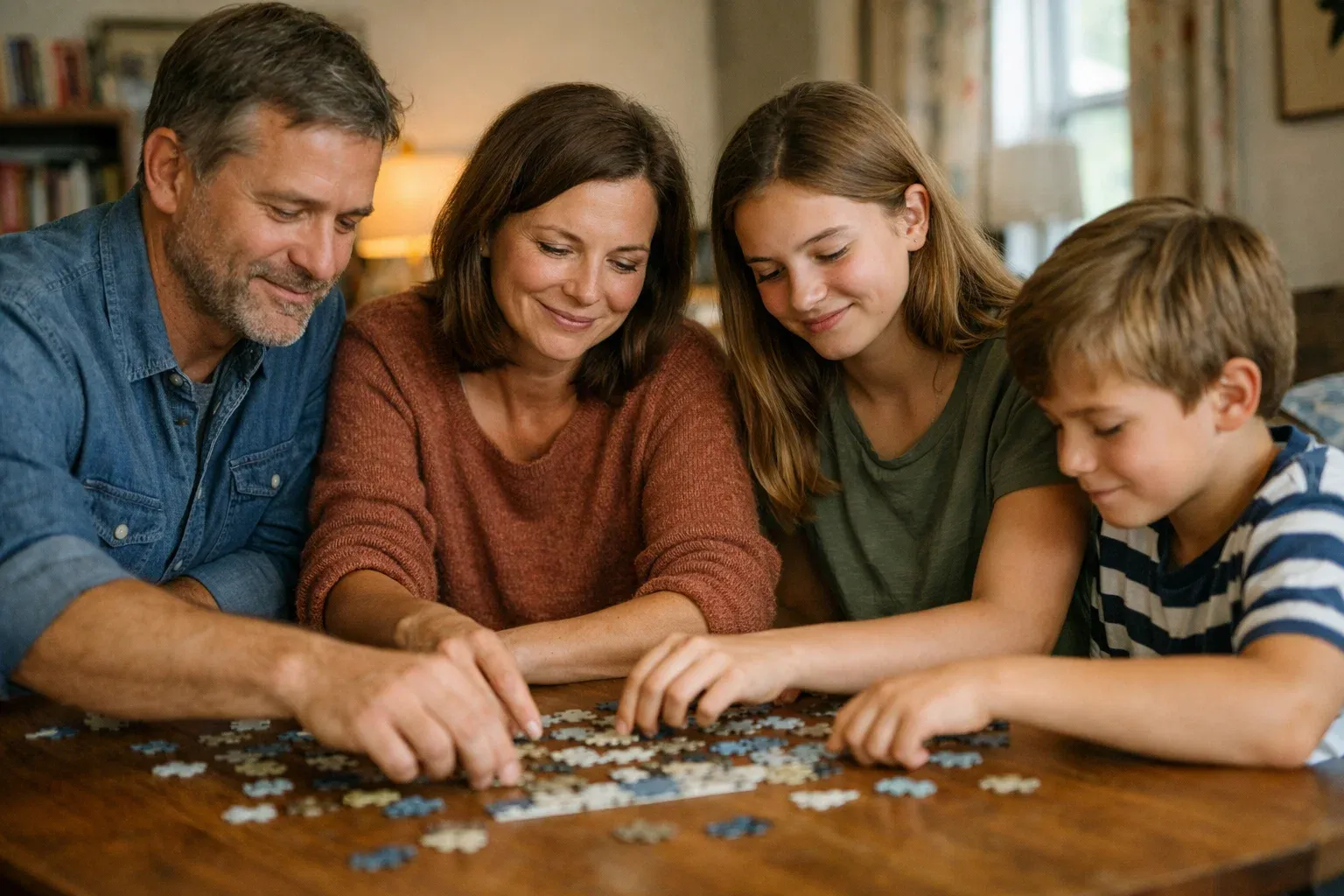
Every family has tension from time to time. What often points toward child and family therapy is when conflict becomes a cycle everyone knows is coming but no one feels able to change.
You might notice:
- The same arguments repeating about chores, homework, bedtime, or screens
- One parent raising their voice while another shuts down or leaves the room
- A child who seems to carry all the “acting out” through yelling, hitting, or defiance
- Another child who hides, avoids, or becomes the “easy one” to keep peace
- Frequent guilt or regret after arguments, but difficulty doing things differently next time
Sometimes these patterns intensify during major transitions—moves, new schools, changes in family structure, illness, or loss. Ideas from supporting children through transitions can help you see how stress on the family system may be fueling conflict.
If most days feel like walking on eggshells, or if everyone seems stuck in roles they don’t like but can’t escape, child and family therapy can offer a place to pause and rework the pattern together.
How Child and Family Therapy Heals Conflict
The goal of child and family therapy is not to eliminate all disagreement—that wouldn’t be realistic or even healthy. Instead, it helps transform how conflict happens so that it becomes less frightening, less shaming, and more repairable.
1. Slowing Down the Cycle
In the therapy room, families have time to look at their conflict patterns with support. A therapist might help you map out:
- What each person tends to feel and do when things escalate
- How one person’s reaction accidentally triggers another’s
- Where anxiety, shame, or fear may be hiding underneath anger or shutdown
Naming this shared pattern can reduce blame and create a sense of “we’re in this together,” rather than “you’re the problem.”
2. Giving Everyone a Voice
Children often feel swept up in adult dynamics, while parents may feel unheard or overwhelmed. In child and family therapy, each person is invited to:
- Share what conflict feels like from their point of view
- Describe what they wish could happen instead
- Talk about what they need when emotions rise (space, comfort, clarity, reassurance)
These conversations often build on emotional language similar to what’s explored in articles about emotional awareness and self-understanding.
3. Building Emotional and Behavioral Skills
Alongside insight, families need concrete tools. Therapy often includes practicing:
- How to pause and breathe before reacting in anger
- Ways to set limits without shaming or threatening
- How to repair after an argument—apologizing, naming feelings, and making a plan for next time
- More consistent, connection-based approaches to discipline, similar in spirit to positive discipline for children
Children may also learn calming strategies and coping skills that can be reinforced at home, especially if they struggle with big reactions like those described in how to help a child with big emotions.
4. Strengthening Attachment and Safety
Underneath many family conflicts are deeper fears—fear of not being good enough, of being rejected, or of losing connection. By helping caregivers respond with more predictability and empathy, child and family therapy supports a stronger emotional bond between children and the adults caring for them.
As safety grows, conflict may still happen—but it becomes easier to repair, and less likely to leave long-lasting emotional bruises.
What Happens in a Child and Family Therapy Session?
Sessions are designed to be structured enough to feel safe, but flexible enough to adapt to your family’s needs and the ages of your children. A typical child and family therapy process might include:
- Parent-only sessions at the beginning to understand history, patterns, and goals
- Sessions with one child and a caregiver, focusing on specific relational moments or struggles
- Whole-family sessions when it’s helpful to see and work with the pattern live in the room
Depending on age, children may use:
- Play and drawing to show how they see conflict at home
- Stories or role-play to explore different ways a situation might go
- Simple charts or visual tools to name feelings and needs
This can look similar to what happens in play therapy for children, where toys and creative activities become the language for what’s happening inside. With families, those same tools are just used in a way that includes parents and siblings in the process.
Your Role as a Parent or Caregiver
In child and family therapy, caregivers are not on the sidelines—they’re central to change.
Your role might include:
- Being open to looking at your own reactions in conflict, not just your child’s
- Practicing new responses between sessions, even when they feel unfamiliar at first
- Offering repair after conflict by naming your own feelings and taking responsibility for your part
- Making space for your child’s voice, even when you don’t agree with everything they say
Many parents find that as they build their own emotional capacity—through reflection, self-compassion, or even personal work similar to that described in self-compassion therapy—it becomes easier to stay grounded when conflict rises at home.
The aim isn’t perfection. It’s a gradual shift from reactive, stuck patterns toward more honest, connected, and repairable ones.
Frequently Asked Questions About Child and Family Therapy
Is child and family therapy just about parenting techniques?
Not exactly. While you may learn new strategies, the focus is broader. Child and family therapy looks at how everyone in the family is affected by and participates in conflict patterns, helping the whole system shift—not just the “identified child.”
Will my child or I be blamed in sessions?
No. A core principle is that no one person is “the problem.” Instead, the focus is on the patterns that pull family members into certain roles, and on how each person can experience more safety and connection.
How long does child and family therapy usually last?
The length of therapy varies based on your family’s goals, the level of conflict, and other stressors. Some families benefit from a shorter period of focused work; others appreciate longer-term support as they navigate ongoing challenges or major life transitions.
What if one parent or family member is reluctant to participate?
It’s common for at least one person to feel hesitant. Therapists are used to working with mixed feelings and may start with whoever is willing to attend. Often, as trust grows and small changes are noticed, reluctant family members become more open to joining.
Conclusion: Moving From Stuck Patterns Toward Repair
Conflict at home doesn’t mean your family is broken—it usually means everyone has been trying to cope the best they can with limited tools and a lot of emotion. Child and family therapy offers a way to slow down those patterns, understand what’s happening underneath, and practice new ways of relating that feel safer and more connected for everyone.
At Revive Relational Therapy, work with children and families is grounded in relationships, attachment, and the belief that change becomes possible when people feel seen rather than blamed.
If you’d like to explore how this kind of support might fit your family, you can learn more about us at Revive Relational Therapy and read about our offerings on the services page, including our approach to family therapy. When it feels like the right time, taking the step to book a session or reach out with questions can simply be a way of saying your family doesn’t have to stay stuck in the same painful patterns.