
Our child-parent relationship therapy helps strengthen the connection between you and your child, fostering trust, communication, and understanding. With personalized techniques, we guide families toward healthier, more positive interactions. Together, we can work toward building a stronger, more harmonious family bond.
CPRT focuses on deepening the parent-child connection, fostering trust and security. The goal of CPRT is to enhance this bond to effectively address child behavior issues and strengthen relationships.
Parents learn to understand and respond to their child's emotions and behaviors constructively.
Utilizing play therapy, CPRT provides a natural and engaging space for children to express themselves.
Backed by research, CPRT demonstrates positive impacts on child behavior and family dynamics.
Trained therapists provide support and guidance throughout the CPRT journey.






Child Parent Relational Therapy (CPRT) helps improve the bond between a child and their parent. It is based on play therapy and works on child behavior problems by building a secure attachment. CPRT includes weekly play sessions that follow specific skills from a treatment manual. This therapy usually happens in a supportive group environment where parents can learn essential skills to support their child’s emotional needs. By training parents through these play sessions, CPRT aims to make family life better and enhance child well-being.
In modern psychology, CPRT is a family therapy method proven to be an effective complete package. It is based on the filial therapy model, which highlights how important the parent-child relationship is for a child’s emotional growth.
Unlike traditional family therapy, CPRT includes parents and group members in play sessions with their kids. This hands-on way helps parents become active in making changes. They learn more about their child’s needs and create specific strategies to help them grow.
The CPRT model focuses on the need for parents to be empathetic, responsive, and develop a secure attachment with their children. By helping parents become better caregivers, CPRT creates lasting positive changes in the family.
The start of CPRT goes back to Garry Landreth’s important work in the United States during the 1980s, which was published in the International Journal of Play Therapy. He built on the ideas of filial therapy. Landreth wanted to make a clear treatment manual to help parents take an active role in their child’s therapy.
As the years went by, CPRT became more recognized. It also improved thanks to the teamwork of Landreth and Sue Bratton. Their work led to the creation of a complete CPRT treatment manual and formal certification programs.
Now, CPRT is a well-respected and evidence-based way to tackle child behavior problems and improve family connections. Its lasting impact is in how it connects theory to real-life use, giving parents the support, study design, and tools they need to be great caregivers for their children.

CPRT is built on important principles that shape its therapy. It focuses on creating a secure attachment between a parent and child. This helps children feel safe, trusted, and connected emotionally. When children feel this way, they can feel seen, heard, and understood during therapy.
CPRT also highlights the importance of parental empathy and responsiveness. It encourages parents to see their child’s behavior as a way to communicate instead of just seeing it as a problem. By doing this, parents can respond to their child’s needs with more care and understanding. This builds a loving and supportive relationship.
A key part of CPRT is building a secure attachment between a child and their parent. In CPRT training, parents learn specific skills grounded in the procedures of CCPT to notice and meet their child’s emotional needs carefully and consistently. This helps give children a feeling of safety and security. They know their parents are a trusted source of comfort and support.
CPRT teaches parents that challenging behavior in a child often comes from emotional needs that are not met. By recognizing these needs, parents can create a safe space for their children to express themselves honestly. This helps promote emotional regulation and good coping skills.
CPRT offers structured play sessions and guided reflections. These activities let parents connect with their child at a deeper emotional level. This better understanding can help bridge any communication gaps. Parents can then meet their child’s needs more effectively and create a stronger, more fulfilling relationship.
CPRT helps parents learn special skills to meet their child’s emotional and behavioral needs. Through fun activities and discussions in a supportive group environment, parents understand their child’s feelings better. This insight allows them to react with empathy and kindness instead of punishment.
In this supportive group, parents can share their stories and challenges. They connect with others who understand their experiences. This creates a community feeling and helps reduce the loneliness that often comes with parenting struggles.
As parents practice their new skills, they see how well they work. Their confidence in being parents increases. This boost in confidence helps them face difficulties more comfortably, making family life more positive and enjoyable.
We believe growth happens in relationship. We work collaboratively with parents, empowering them to strengthen connection, understanding, and trust with their child.
We listen beyond words—to the play, the emotion, and the meaning beneath behavior—so every child feels deeply seen and understood.
We meet each child with unconditional positive regard, creating a space free of judgment where they can safely explore and grow.
We nurture each child’s belief in their own capacity to make choices, take responsibility, and move confidently toward who they are becoming.
We trust in the natural, life-giving process of development—believing that with safety, understanding, and connection, every child can flourish.
We view our work as an investment in the future. When families learn to relate through security and empathy, they create patterns of connection that ripple across generations.
Starting the CPRT journey is a well-organized process that helps both parents and children. The first sessions are about assessing and setting goals. This helps the therapist understand the specific needs and goals of the family.
In the following sessions, the core ideas of CPRT are explored in detail. Parents learn important tools and techniques through fun activities, guided talks, and role-playing exercises.
The CPRT journey starts with a detailed assessment. This helps to understand the child’s feelings and behaviors, family relationships, and the connection between the parent and child. This step is very important. It sets the groundwork for a treatment plan that is made just for that child.
The therapist works with the parents. They will focus on specific worries and create doable therapy goals. These might be about reducing difficult behaviors, helping the child manage emotions better, improving communication, or making the parent-child bond stronger.
A big part of this assessment is teaching parents the main ideas of CPRT and how play therapy, along with parent handouts, can make a difference. Parents will learn more about how therapy will work and how they can help their child. With clear goals and a shared understanding, the therapist and parents will start the therapy journey together.
CPRT uses different techniques to help young children get involved in therapy. Central to this is the weekly play sessions, where parents and children can bond during special play times in a designated special play area using carefully chosen toys.
During these play sessions, parents should use important skills to build connection and communication, such as:
This means repeating or rephrasing what their child says. It shows that they understand and encourages the child to share more.
This involves recognizing and accepting their child's feelings without judging or dismissing them.
This lets the child take charge during play. Parents follow the child's lead and join in their world.
By using these techniques, parents create a safe and caring space. In this setting, children can express their feelings easily, learn social and emotional skills, and strengthen their bond with their caregivers.

Revive Relational Therapy understands that parents need helpful and easy ways to support their children. That’s why we offer specialized CPRT training programs for parents in Castle Rock, Colorado. Our goal is to give parents the tools and knowledge they need to build stronger and more meaningful bonds with their kids.
Our skilled and caring therapists will help parents through each part of the CPRT process. We want to make this a supportive and empowering experience. By choosing CPRT, parents are showing they care about their child’s feelings and the future happiness of the family.
For parents of children who are having emotional or behavioral issues, finding the right CPRT therapists in the mental health field can make a big difference. When looking for a CPRT practitioner, it’s important to check that they have the right training and credentials.
The University of North Texas and its UNT Center for Play Therapy is a top school for play therapy. They offer a complete CPRT certification program, making sure that practitioners follow the best practices. Parents can look for certified CPRT therapists nearby using the university’s directory or trusted online sites like Play Therapy International’s website.
After you find some CPRT therapists, set up an initial meeting to share your concerns. Ask them about their methods and see if their approach fits your family’s needs.
Our CPRT program at Revive Relational Therapy typically consists of a series of hour group sessions facilitated by a certified CPRT therapist, including essential hours of supervision. These group sessions provide a unique blend of psychoeducation, skill-building, and group support, creating a safe and encouraging environment for parents to learn and grow. During these sessions, parents engage in interactive activities, discussions, and role-playing exercises, all designed to deepen their understanding of CPRT principles and practice applying new skills.
Introduction to CPRT, Building a Secure Attachment, and Understanding Your Child's Needs
Reflective Listening and Emotional Validation Skills
Child-Led Play and Setting Limits with Empathy
Recognizing and Addressing Unmet Emotional Needs
Fostering Emotional Regulation and Coping Skills
Communication and Problem-Solving
Building Self-Esteem and Confidence in Your Child
Managing Challenging Behaviors with Compassion
Generalization and Maintaining Progress
Celebrating Successes and Looking Ahead
CPRT understands that families come in many types. This includes single-parent homes, blended families, and adoptive families. CPRT therapists are trained to adjust their methods to fit the different challenges and strengths of each family. They work to create a safe space for everyone.
Additionally, CPRT can support families with children who have special needs. This includes kids with Autism Spectrum Disorder and attachment disorders. By recognizing each child’s unique way of communicating and their sensory sensitivities, CPRT can be changed to meet their specific needs.
To adapt Child Parent Relational Therapy (CPRT) for young children with autism spectrum disorder (ASD), using play therapy techniques is very important. By modifying CPRT to include play sessions designed for the needs of these children, the therapy can better meet their behavioral needs. Adding parts of the CPRT model, like encouraging secure attachment and focusing on specific skills in a supportive group environment, improves the treatment for children with ASD. This change provides a complete way to meet the emotional and behavioral needs of children with autism spectrum disorder.
CPRT understands that families can be very different from one another. It works well to support single-parent families, adoptive families, and blended families. Knowing the special challenges these families face is important for giving the right kind of help.
For example, single parents often deal with more stress and less time. CPRT therapists offer personalized support for them. They see the difficulties and team up to set realistic goals and care plans. Blended families also face tricky relationship issues, step-parent roles, and adjustments for children.
CPRT offers a safe and supportive space to tackle these problems, improve communication, and strengthen family ties. By recognizing and valuing the unique experiences of these different family types, CPRT builds an open and welcoming atmosphere for therapy.
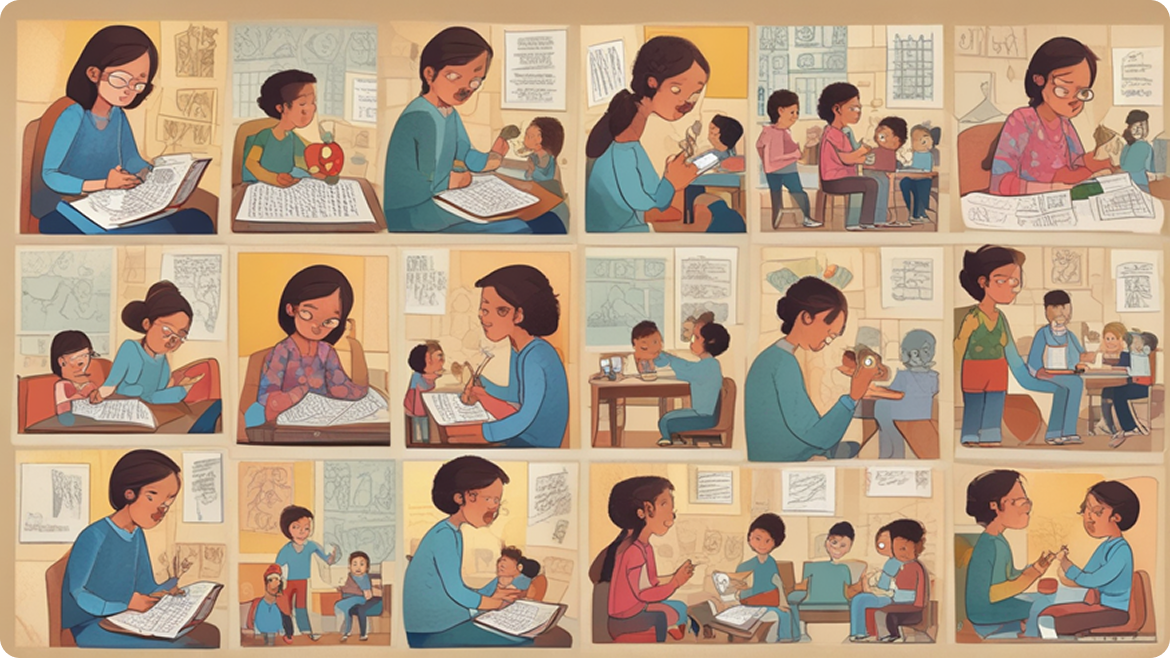
CPRT can be challenging for both parents and children. It’s normal for them to feel unsure about fully taking part in play sessions, especially at the start. Children might need time to get comfortable with the new setting and learn to trust the therapist.
To help with any reluctance, open talk among the therapist, parents, and child is very important. Therapists who are good at CPRT use fun methods. They might bring in different play materials or include what the child likes in the sessions. This helps to engage the child and make the therapy a positive experience.
Resistance during therapy, from either the child or parent, is normal. It can actually be a chance for growth. Children might show resistance by not wanting to play, acting out, or shutting down emotionally. Parents can feel resistance too. This could come from doubt, worry, or not understanding the CPRT approach.
CPRT therapists respond to resistance with care and understanding. They see that it often comes from fears, anxieties, or past events. By making a safe, welcoming space, therapists encourage honest communication and look for the reasons behind the resistance.
Using methods like unconditional acceptance, reflective listening, and validating feelings, therapists help both children and parents work through their resistance. This builds trust and helps them make real progress.
CPRT understands that cultural differences and socioeconomic status greatly affect family dynamics and child development. It highlights the need for culturally sensitive and inclusive practices. This is to make sure that therapy is meaningful, respectful, and works well for all families.
CPRT practitioners work to understand the unique beliefs, values, and customs of the families they help. They treat each family with care and respect. They avoid making assumptions and adjust their methods to match the family’s perspective.
Through regular training and teamwork with different communities, CPRT keeps improving its methods. This helps better meet the needs of all children and families. Their focus on inclusivity and cultural understanding builds a strong connection in therapy and makes CPRT more effective across different environments.
In short, Child Parent Relational Therapy (CPRT) is a powerful method. It helps children and parents understand each other’s feelings better. This approach improves how parents respond and strengthens family ties. CPRT can lead to lasting positive results for different types of families, including those with special needs. If you want CPRT in Castle Rock, Colorado, find therapists and programs that fit your needs. Look at case studies and success stories to see the good effects of CPRT. You can also find ways to overcome any challenges that come your way. Start your journey to better family relationships with CPRT principles.